trump · November 13, 2026
Trump Says He Knows Nothing About the Family Crypto Business. Okay Let's Follow the Flow of AI Chips.
The real question is whether a foreign investor got something a lot more valuable than a stablecoin and 49% ownership in WLFI for $2.5 Trillion.
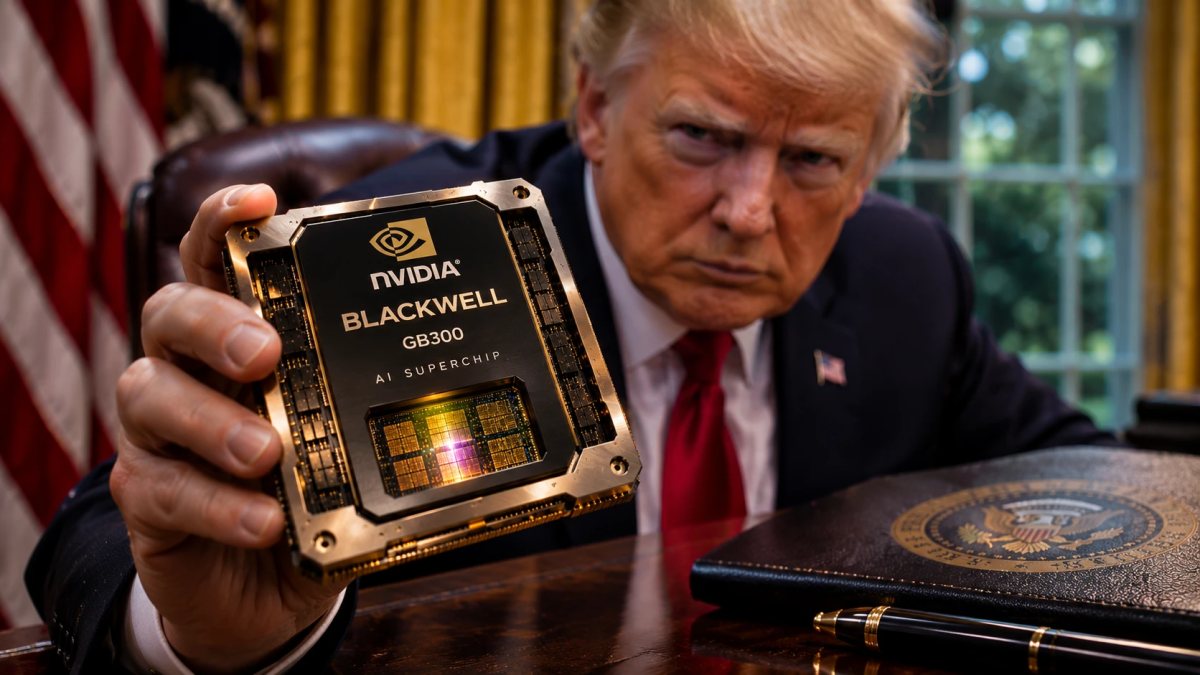
A UAE royal's investment vehicle agreed to put $500 million into Trump's family business. Months later, that royal's companies gained expanded access to restricted American AI technology. Here's why Americans should be paying attention because of the threat to national security that affects us all.
Donald Trump says he knows nothing about the cryptocurrency company he co-owns. Maybe he doesn't, but you don't have to understand a business to profit from it, and you certainly don't have to understand an export license to recognize who benefits when one gets approved. This story isn't really about cryptocurrency anyway. It's about a foreign national-security official, hundreds of millions of dollars flowing into the president's family business, and some of the most powerful and heavily regulated American technology on the planet (Nvidia Blackwell AI Chips).
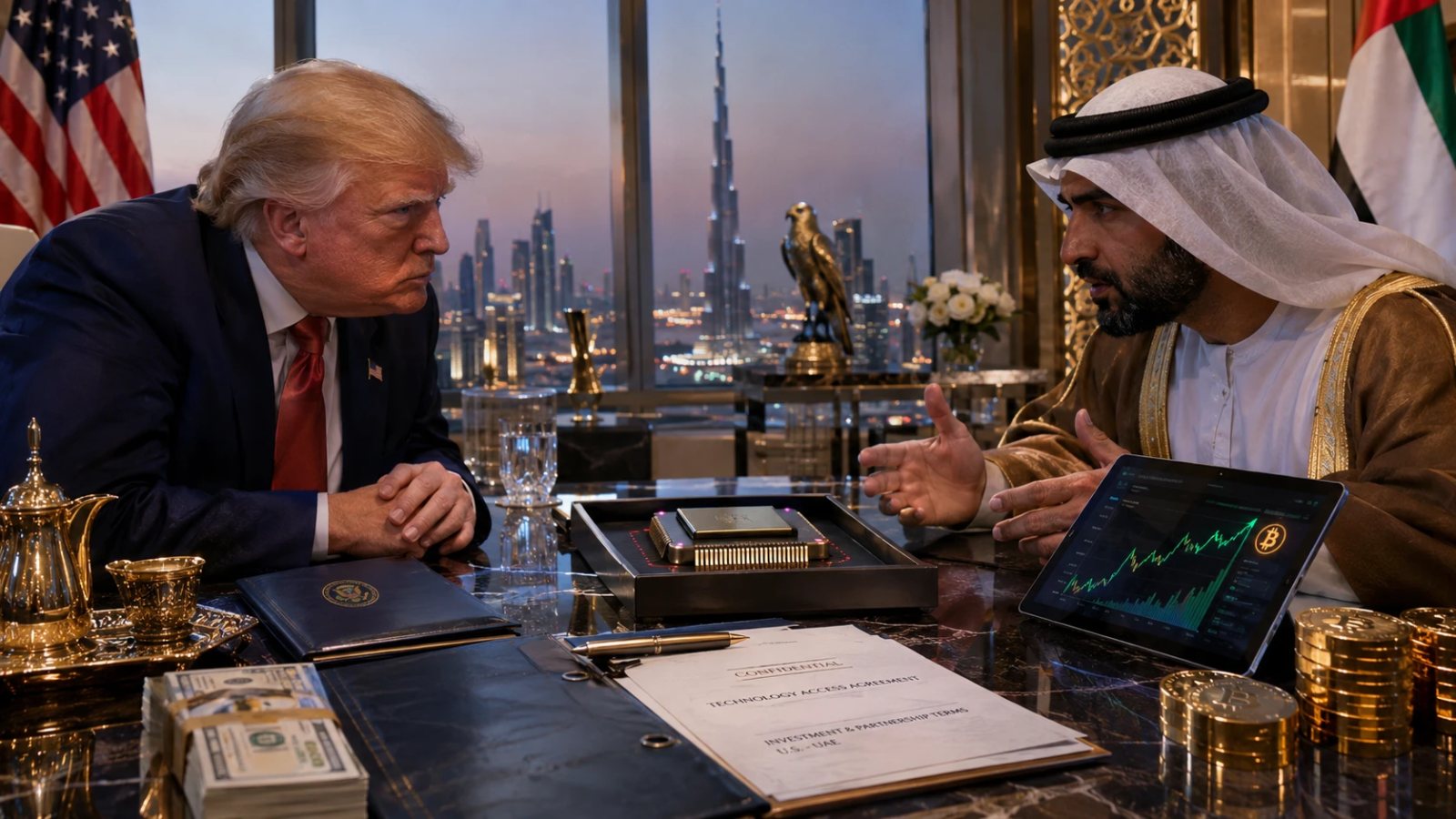
Four days before Trump returned to the White House in January 2025, an investment vehicle backed by Sheikh Tahnoon bin Zayed Al Nahyan, the United Arab Emirates' national security adviser, agreed to pay $500 million for 49% of World Liberty Financial. According to documents reported by The Wall Street Journal, the buyers agreed to pay $250 million upfront, with approximately $187 million going to Trump family-controlled entities and another $31 million to entities linked to the family of Trump's Middle East envoy, Steve Witkoff. Eric Trump signed the agreement. We're not talking about somebody buying cryptocurrency and hoping the price goes up; we're talking about purchasing almost half of the actual company for $500M in cash.
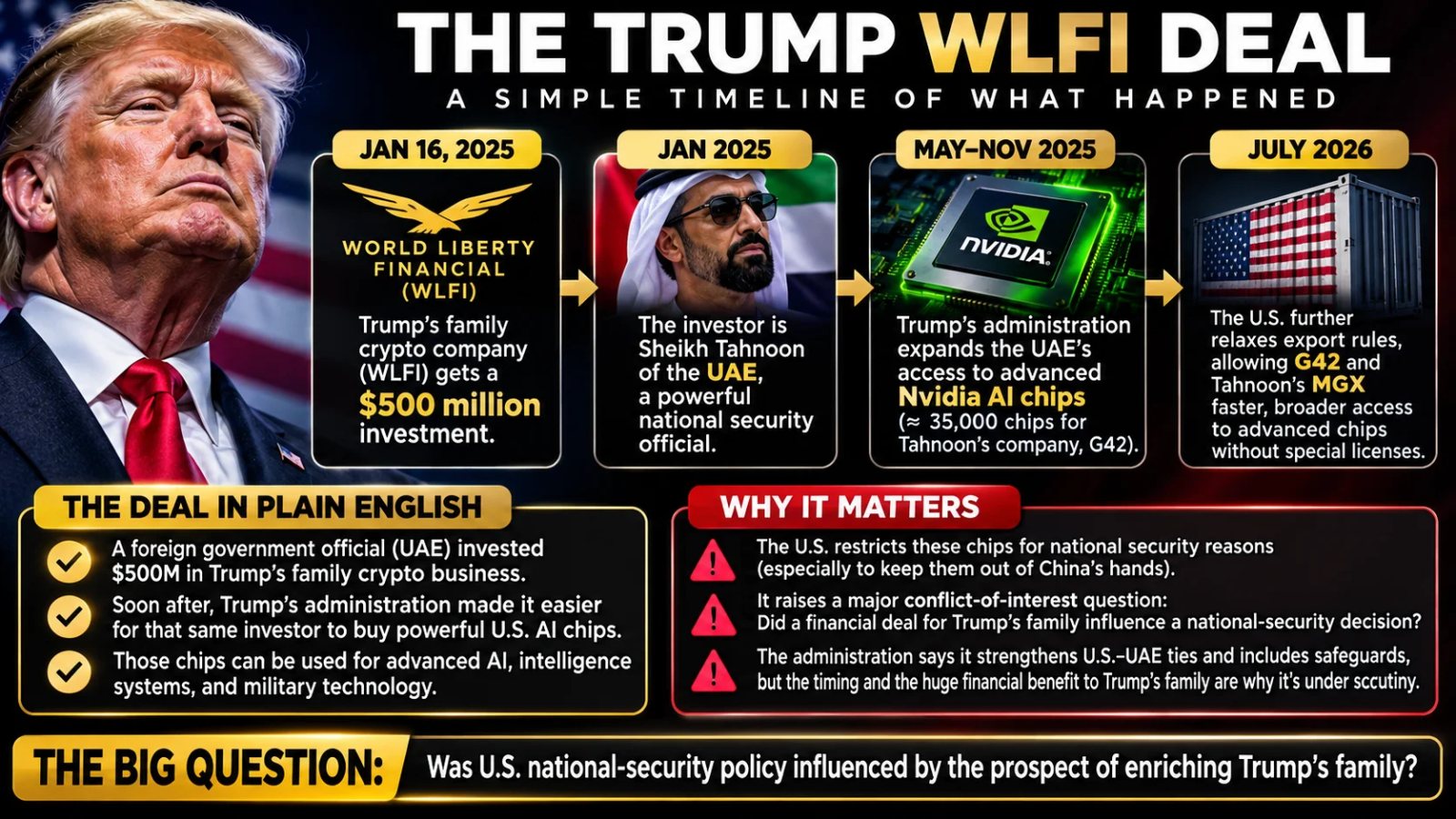
And Sheikh Tahnoon wasn't just some billionaire looking for another investment. He's the brother of the UAE's president and he also chairs G42, an artificial intelligence company that previously faced American scrutiny over its relationships with Chinese technology firms, including Huawei. G42 subsequently moved to sever those relationships, but the national-security concerns surrounding advanced AI technology didn't disappear overnight. Tahnoon's companies wanted something Washington controlled: access to Nvidia's most advanced AI processors.
These aren't ordinary computer chips. They're the processors powering increasingly sophisticated artificial intelligence systems, including technology with potential military, cybersecurity, and intelligence applications. The United States restricted their export partly because Washington didn't want sensitive American computing capabilities ending up in China's hands. Although as we are now finding out many of them did at least in the case with Megaspeed the company Chinese Spy Alice Huang used to lease banned chips to China through her connection with Jensen Huang.
Follow the Money
In May 2025, another company chaired by Tahnoon, MGX, announced it would use $2 billion worth of World Liberty Financial's USD1 stablecoin to complete an investment in cryptocurrency exchange Binance. At first, that sounds like one crypto company moving money to another, but here's the part ordinary investors might miss: a stablecoin issuer can earn interest on the reserves backing its coins while they remain in circulation. At a hypothetical 4% yield, $2 billion in outstanding stablecoins could generate roughly $80 million annually in gross interest for the issuing business. That's not $80 million going directly to Trump, but it illustrates why the transaction mattered. As of early 2026, Binance holds roughly $4.7 billion (about 87% of the total supply) of the USD1 stablecoin issued by World Liberty Financial (the Trump-affiliated crypto project), which includes the initial $2 billion investment from Abu Dhabi's MGX and subsequent balances which they hold in their cold wallets.
So let's get this straight. An investment group backed by a foreign national-security official agrees to buy 49% of the president's family crypto company, with $187 million from the initial payment reportedly going to Trump family entities. Another company chaired by that same official then selects the family's stablecoin for a $2 billion investment, potentially creating a substantial additional revenue stream. Meanwhile, his AI interests are seeking access to strategically sensitive American technology that Washington had been carefully restricting due to their previous dealings with the Chinese government. Restrictions which were later lifted.
Then Came the Chips
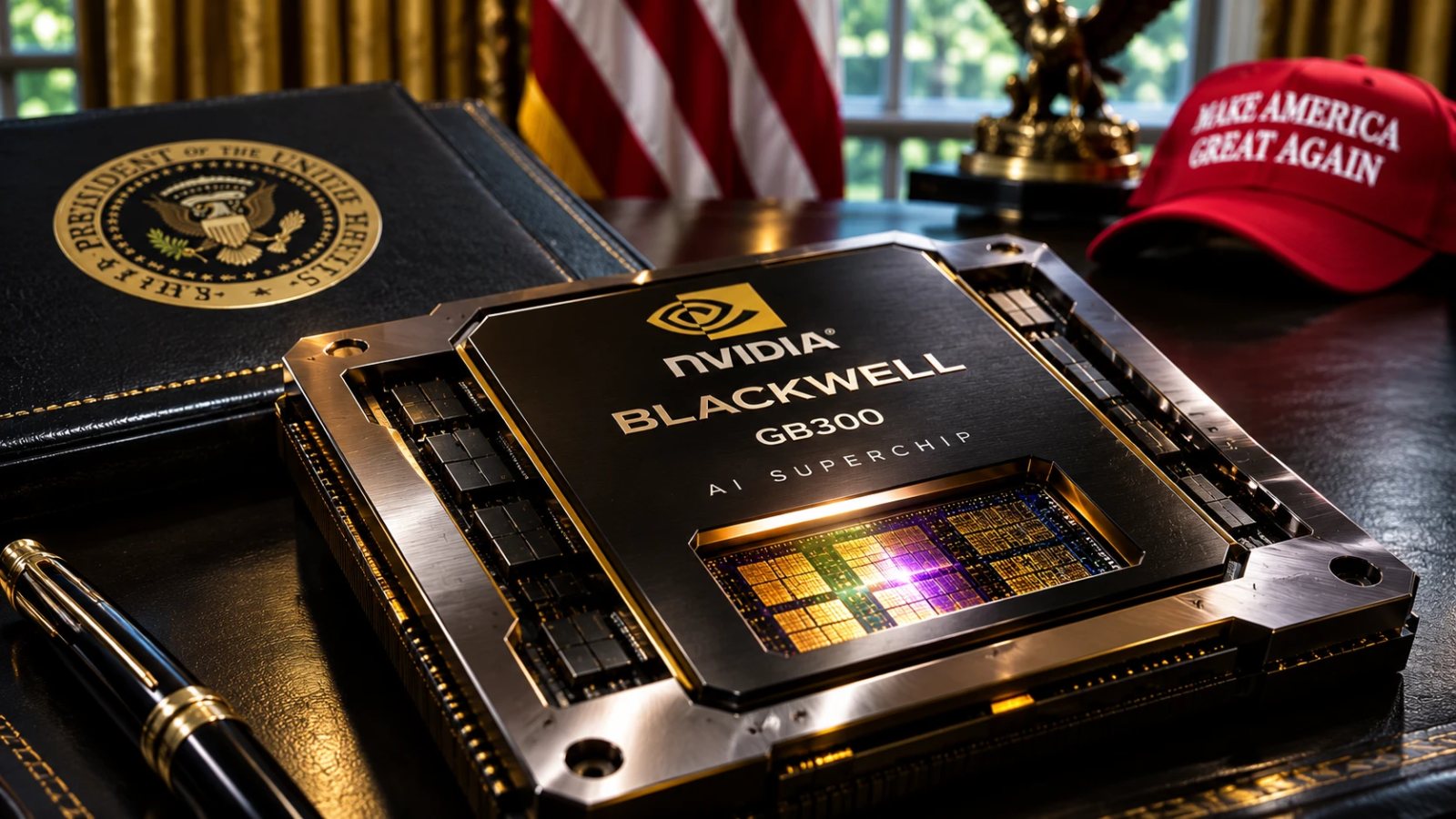
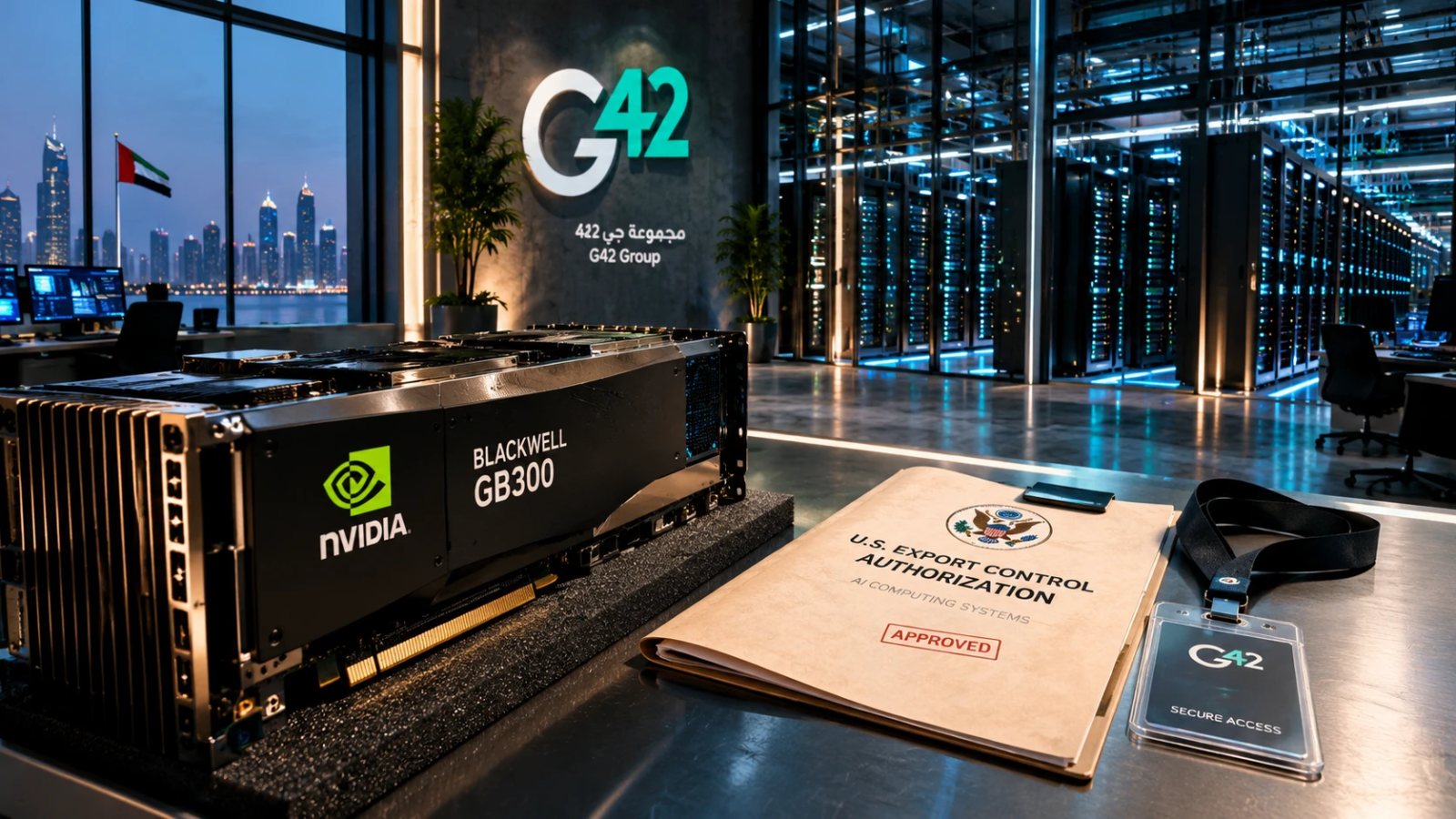
In May 2025, Trump's administration backed an agreement expanding the UAE's access to advanced American artificial intelligence technology. By November, the Commerce Department had authorized Tahnoon's G42 to purchase computing capacity equivalent to 35,000 Nvidia GB300 Blackwell processors, among the most advanced AI chips available at the time. That's authorization to purchase, not proof that every processor was delivered, but it represented a significant expansion of access for a company whose previous Chinese technology relationships had raised concerns in Washington.
Then, on July 10, 2026, the Trump administration went further, easing export restrictions for qualifying UAE organizations, including G42 and Core42. And here's the detail that deserves particular attention: the Commerce Department explicitly stated that it intended to favorably review semiconductor and server export-license applications involving MGX. Yes, MGX, the same investment firm chaired by Tahnoon which selected World Liberty's stablecoin for its $2 billion Binance deposit.
Think about that for a minute. The United States restricts access to sensitive AI technology because of national-security concerns, a powerful foreign official becomes financially connected to the president's family business, and that official's companies subsequently receive expanded access to the technology Washington had been guarding. One of those companies even gets named in a federal export regulation for favorable consideration. That's not proof of a secret bargain, but it's a sequence of events that deserves an explanation beyond "I don't know anything about that." from the President of the United States of America who owns 70% of the family's 38% share of World Liberty. Trump also visited Saudi Arabia with Jensen Huang in May of 2026. So the two were obviously involved in a number of dealings in the Middle East. Jensen has since stepped down from Nvidia for corruption and personal affairs. Trump praised Huang as a "tremendous talent" and a "very honorable man," stating that Huang told him he had "no idea the woman was a spy".
"Because I Know Nothing About It"
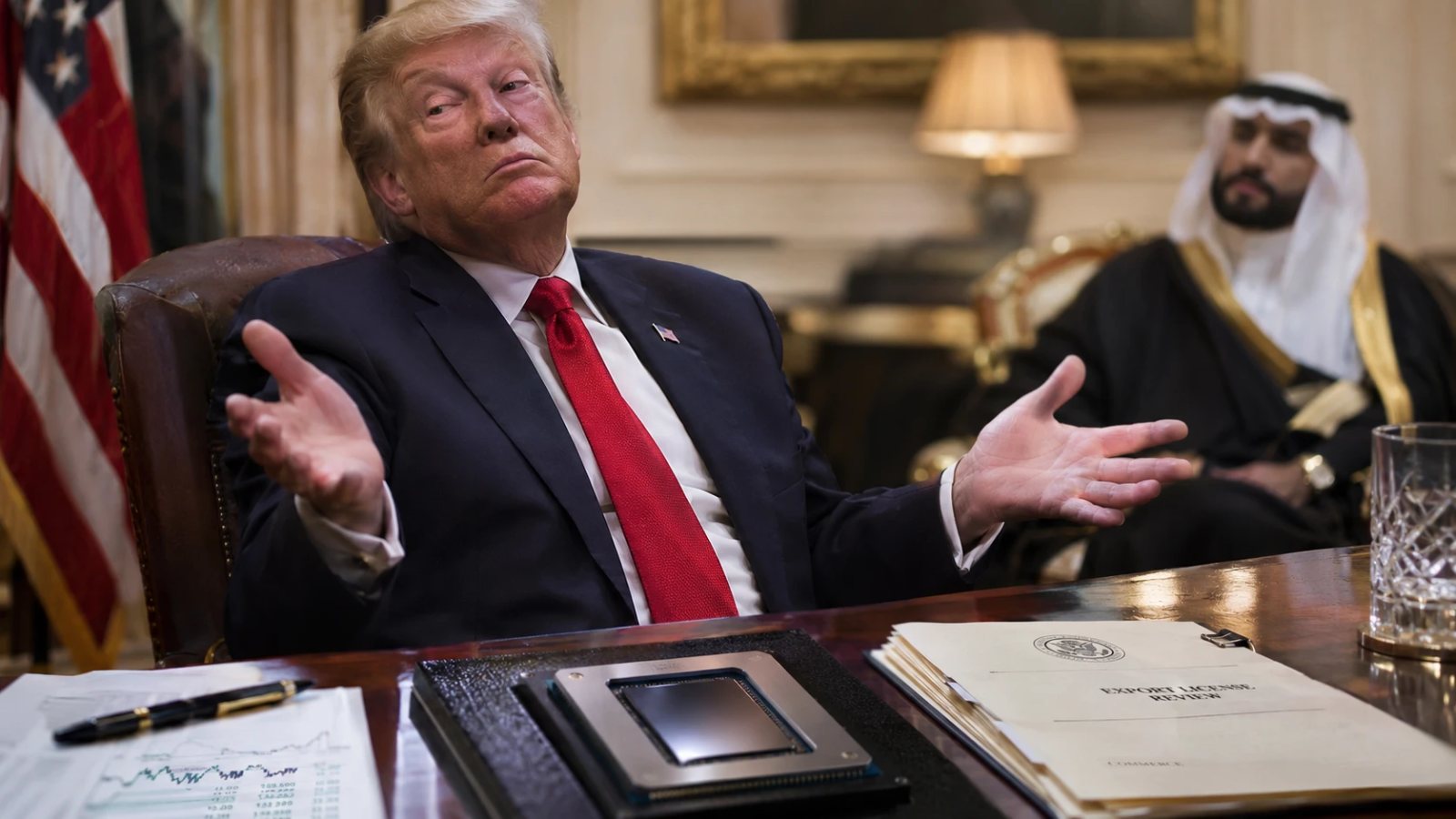
During Trump's November 8, 2026, 60 Minutes interview, correspondent Ross Douthat questioned him about World Liberty Financial's foreign investors and why the arrangement shouldn't raise corruption concerns. Trump's explanation was remarkable: "Because I know nothing about it." He acknowledged co-owning the company but maintained that his sons handled the business. Maybe that's true, but since when does not knowing the details of your investments mean you can't benefit from them? It all seems very precarious for someone who's constantly gloating about Blackwell and being the "Crypto President". Reminds me of Bill Clinton when he said "I did not have sexual relations with that woman". I mean technically he didn't.
Trump doesn't have to personally negotiate a $500 million investment to benefit financially from owning part of the company receiving it. He doesn't have to collect a commission on Nvidia processors for his family's financial relationships to generate conflict-of-interest concerns. And he doesn't have to personally sign export licenses for Americans to question whether those relationships influenced his administration's decisions. Ignorance in business isn't what Donald Trump is particularly known for.
To be fair, the administration argues that expanding AI cooperation with the UAE strengthens an important American alliance, supports American technology companies, and includes safeguards against sensitive technology reaching adversaries. There's a legitimate strategic argument for cooperating with allies, and no publicly established evidence proves that Tahnoon's investments purchased these government approvals. But a possible policy justification doesn't erase a potential financial conflict, and assurances from the people involved aren't a substitute for independent scrutiny. Yet who is even questioning him about it?
The Question Americans Deserve Answered
Here's what we actually know. A foreign national-security official's investment vehicle agreed to pay half a billion dollars for almost half of Trump's family cryptocurrency company, with $187 million reportedly directed to Trump family entities from the initial payment. That official's investment firm subsequently used the company's stablecoin for a $2 billion transaction, while his AI interests gained expanded access to advanced American Nvidia Blackwell chips which he previously could not obtain at least at scale without intense scrutiny. Even going as far as to give his company a favored status. That part is documented with proof to back it up.
Maybe every approval was justified. Maybe the United States would have made exactly the same decisions if World Liberty Financial had never existed. But when a foreign official's money benefits the president's family while that official's businesses are seeking valuable government approvals, Americans have every right to demand transparency and an independent accounting of how those decisions were reached.
If the answer is no, the decision-making record should be able to demonstrate that.
If the answer is yes, then it was never just a cryptocurrency story or a dispute over export licenses. It was a question of whether America's strategic advantages were being used to serve the country or the private financial interests of the people running it. Because last I checked this country was for the people by the people.
Now where the fuck are those promised stimulus checks?