tesla · October 17, 2026
The Newest Tesla Roadster Reveal was nothing more than a Magic Trick on Tesla's Stage
Elon Musk can make a car fly with cold boost thrusters that doesn’t mean Tesla can build one which can actually be released to consumers.
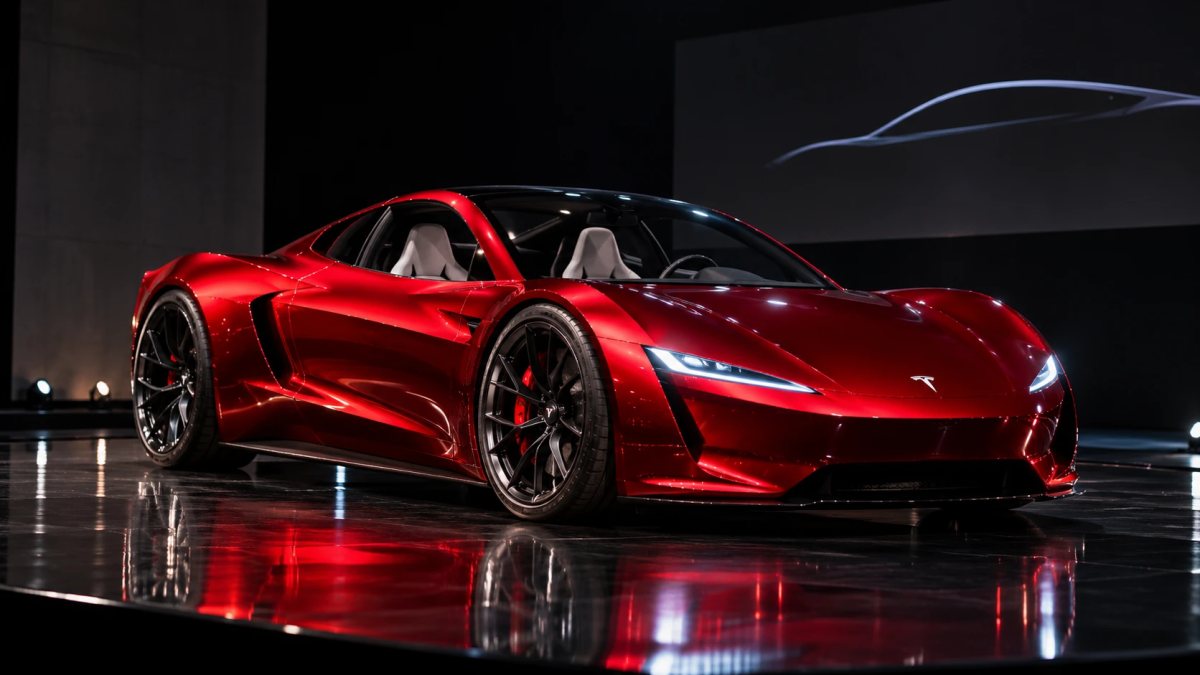
A car driving upside down up a ramp and landing cleanly is a great Hollywood stunt. It’s not a great car launch. I know those two things look close from the cheap seats. They aren’t. Tesla and Elon Musk have spent years blurring the lines on what consumers should actually value. The demo is engineering theater: precise, expensive, built to make you gasp so you don't ask the obvious question...
When will faithful Tesla Roadster buyers actually get hands on keys?
A marketing stunt with no promised shipping date
Making a prototype do a party trick is one problem. Building a car people can own is another. You need crash testing, manufacturing processes, supply chains and factories capable of maintaining tight tolerances at volume. For years Elon Musk has been skipping all the required steps it takes to manufacture a real life roadster.
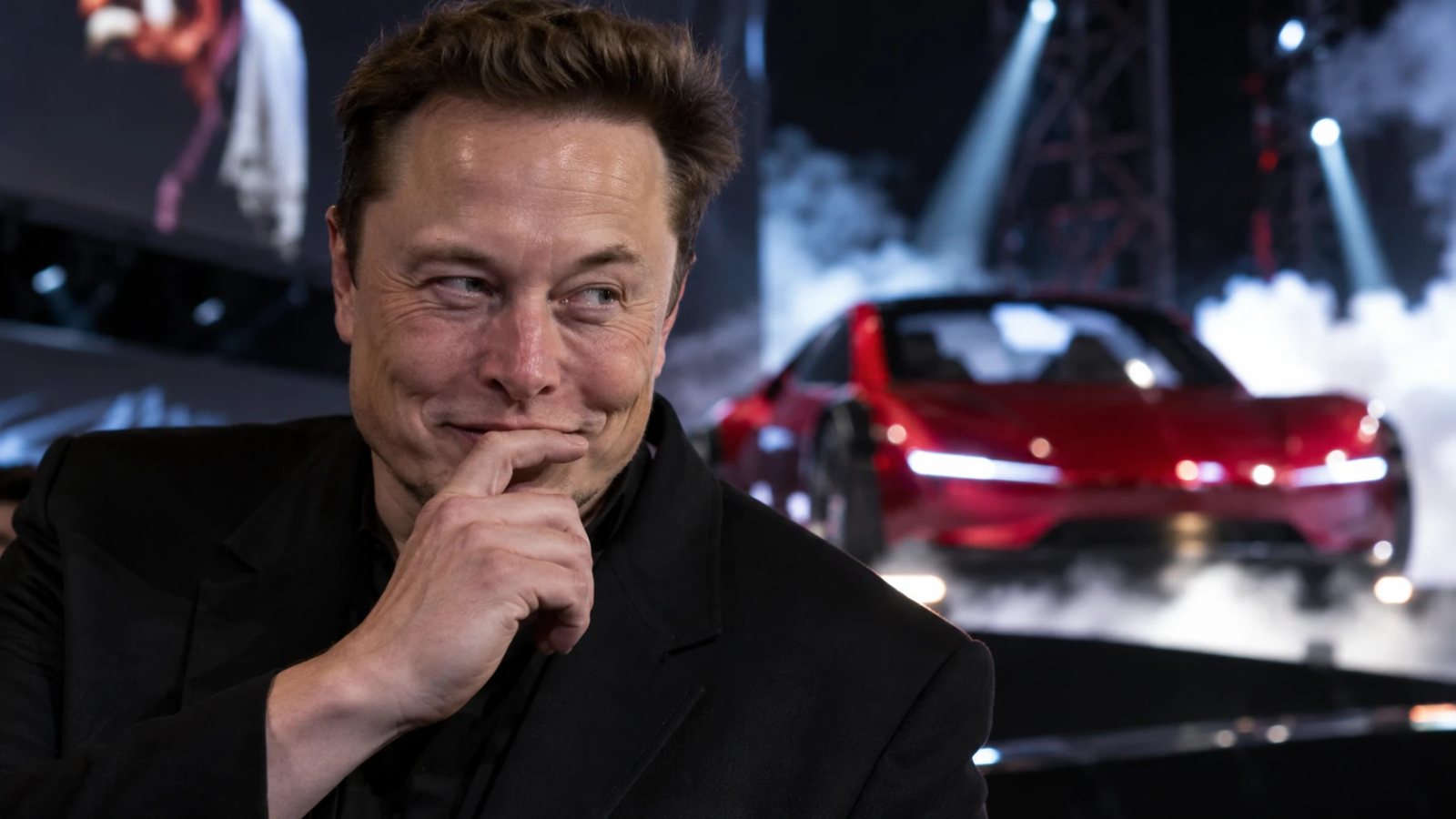
A ramp stunt proves none of that. It proves the team can shoot a great promo video.
Real car launches are boring on purpose. They come with filings, safety ratings, production line photos, and a price list that doesn’t change every time the CEO gets excited on a podcast. The Roadster has none of that. It has a promise and a clip.
The Roadster has been delayed seven years.
That isn’t a scheduling hiccup. It’s a business model. The car stays a permanent prototype, always two years away, always good for another positive earnings call.
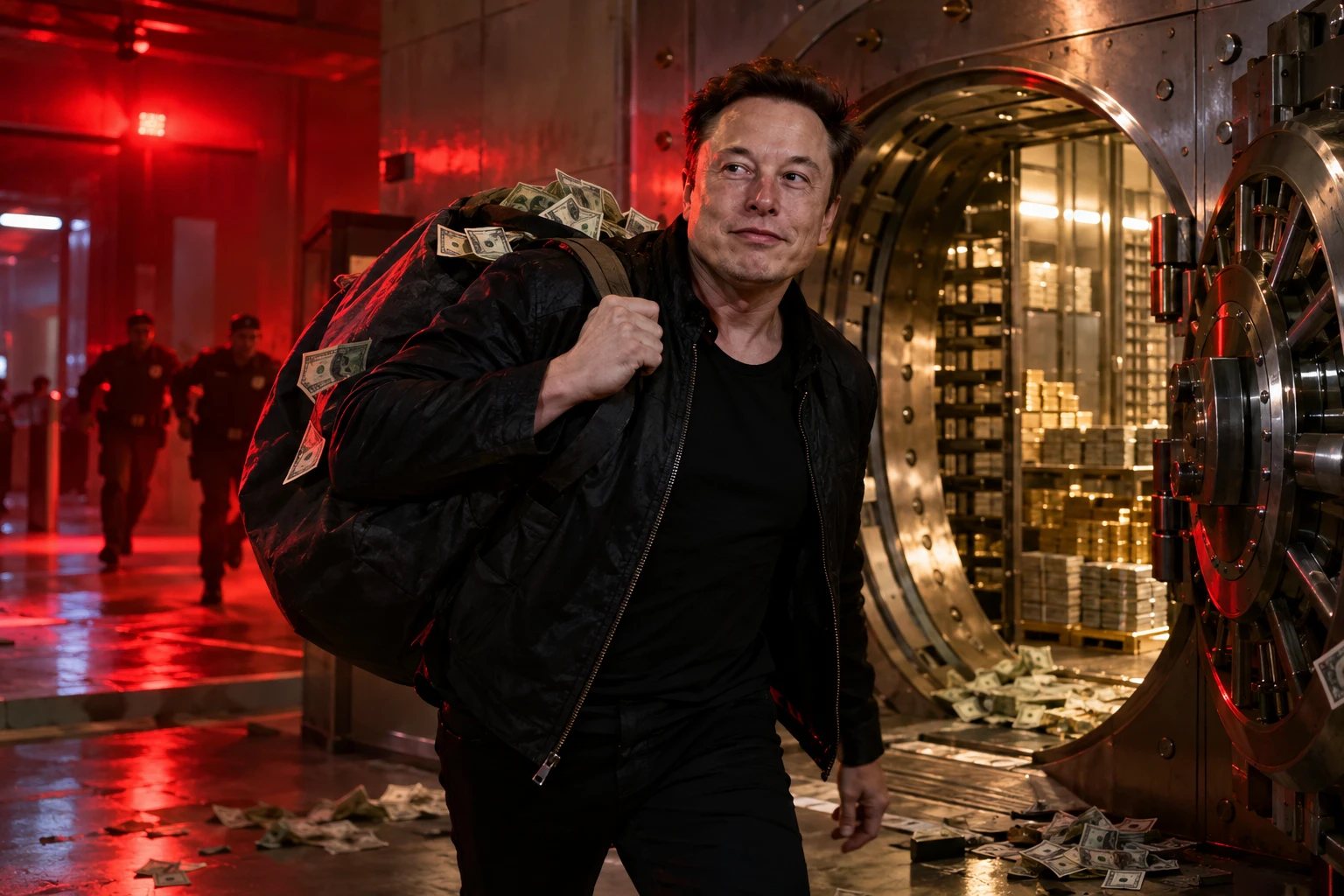
Meanwhile Tesla has been holding customer deposits for a vehicle it has not delivered. A deposit is supposed to buy a place in line. At this point it looks more like an interest-free loan to the marketing department. The two-year horizon is the oldest trick in the Tesla playbook. Close enough to feel real. Far enough away to dodge accountability. Every year the date moves, and every year the faithful call it progress. That’s not a delivery schedule. It’s a rolling option on your patience. Even Grok, the chatbot from Musk’s own xAI, is reportedly not betting on a Rocket Roadster before 2030. When your own AI is skeptical, you don’t have a launch plan. You have lore.
Me on the way to pick up my Tesla Roadster in 3035. pic.twitter.com/eQYluuWKV3
— Carlo DeAngelo (@aibrandscaling) October 16, 2026
Street legal is not a footnote
Musk has said the rocket version will not be street legal. Let that sink in.
A car that can’t legally touch public pavement is not a car in any useful sense.
It’s a track toy, a collector’s item, a very expensive conversation piece w/ cold boost thrusters attached. That can be a fine product for a certain kind of buyer. It’s not the future of transportation, and it’s certainly not what previous reservation holders thought they were putting their money down on seven years ago when the roadster was first promised. The range was nearly cut in half while the car price skyrocketed.
A street-legal version would need regulators, crash standards, and a warranty that covers more than a YouTube clip. That’s the unglamorous work that turns a demo into a product. Tesla hasn’t shown it. The ramp is the easy part. Paperwork is the moat.
This is where the Mars talk stops being a joke.
The Tesla faithful have spent years discussing driving these things on the moon or Mars. I wish I were kidding. That’s not a customer base. It’s a congregation. And congregations don’t demand refunds. They demand rituals. The moon and Mars talk is not harmless fan fiction. It's the makings of a cult. People are literally paid on 𝕏 to promote Tesla and influencers are even given free cars for their pledged support.
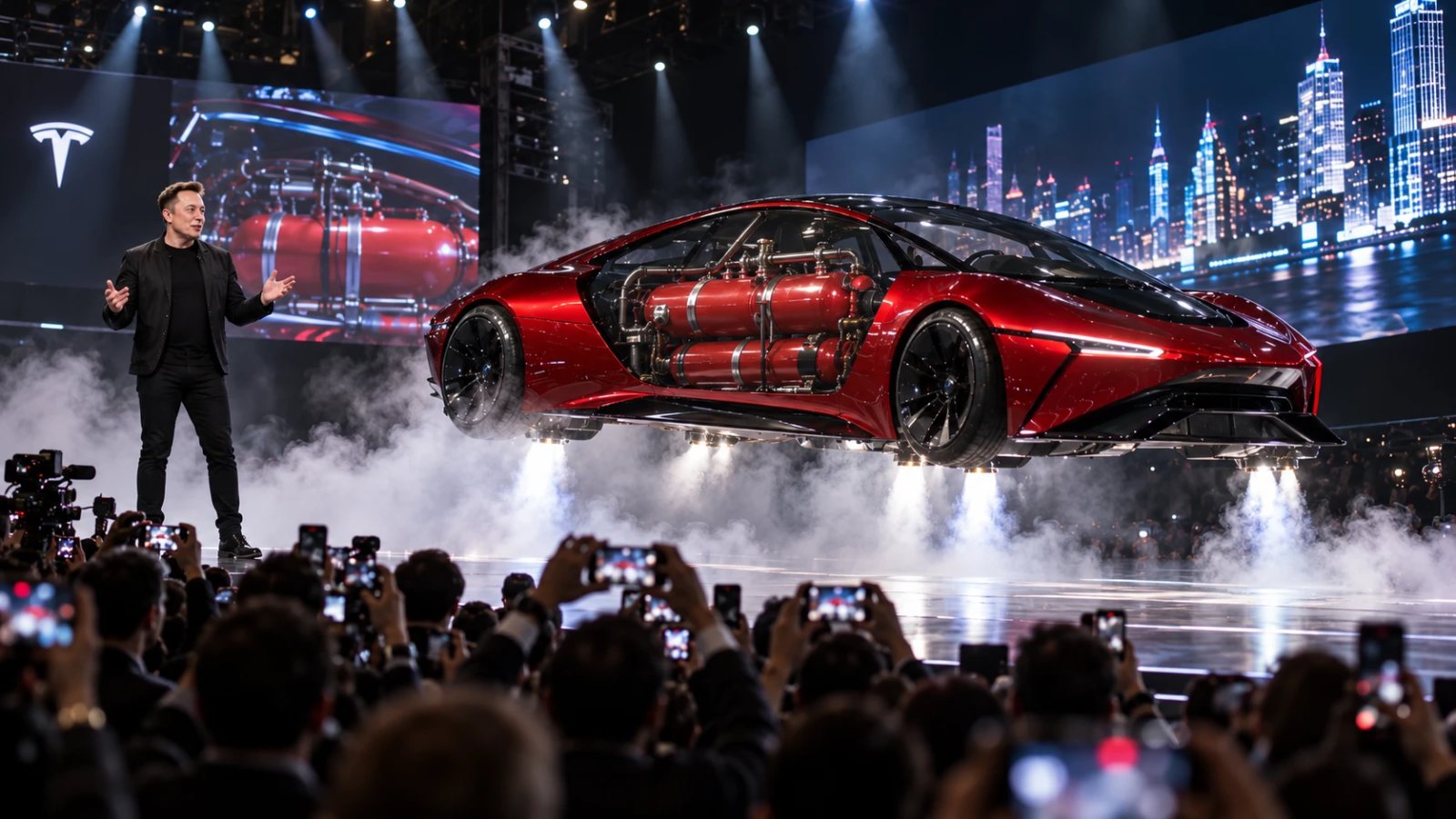
The value proposition isn't transportation, it's escape. Buyers aren’t buying a car. They’re buying a ticket to Musk’s science fiction, with a refund policy that stays conveniently vague. Practicality gets lost in that fog. A rocket car is not practical for groceries, commuting, weather, parking, insurance, or resale. It’s a status object for people who already have too many status objects. The rich will buy it because it’s rare and loud and Musk-shaped. Fine. Just don’t call it a transportation breakthrough.
The real product is the story
None of this means the stunt is worthless. As attention engineering, it’s superb. Tesla gets headlines. Musk gets to play protagonist. Stock gets a narrative. The faithful get a new clip to share. And the machine feeds itself.
We've been here before. This is nothing new in Tesla's playbook. If they actually deliver anything they will have giant production costs. By instead dangling impossible to deliver futuristic concepts they can continue to dazzle the crowd and take their money without having to deliver anything but a reservation website that takes deposits. But attention is not revenue. Spectacle is not a supply chain. A quarter-million-dollar deposit for a car that may never be street legal is not a reservation.
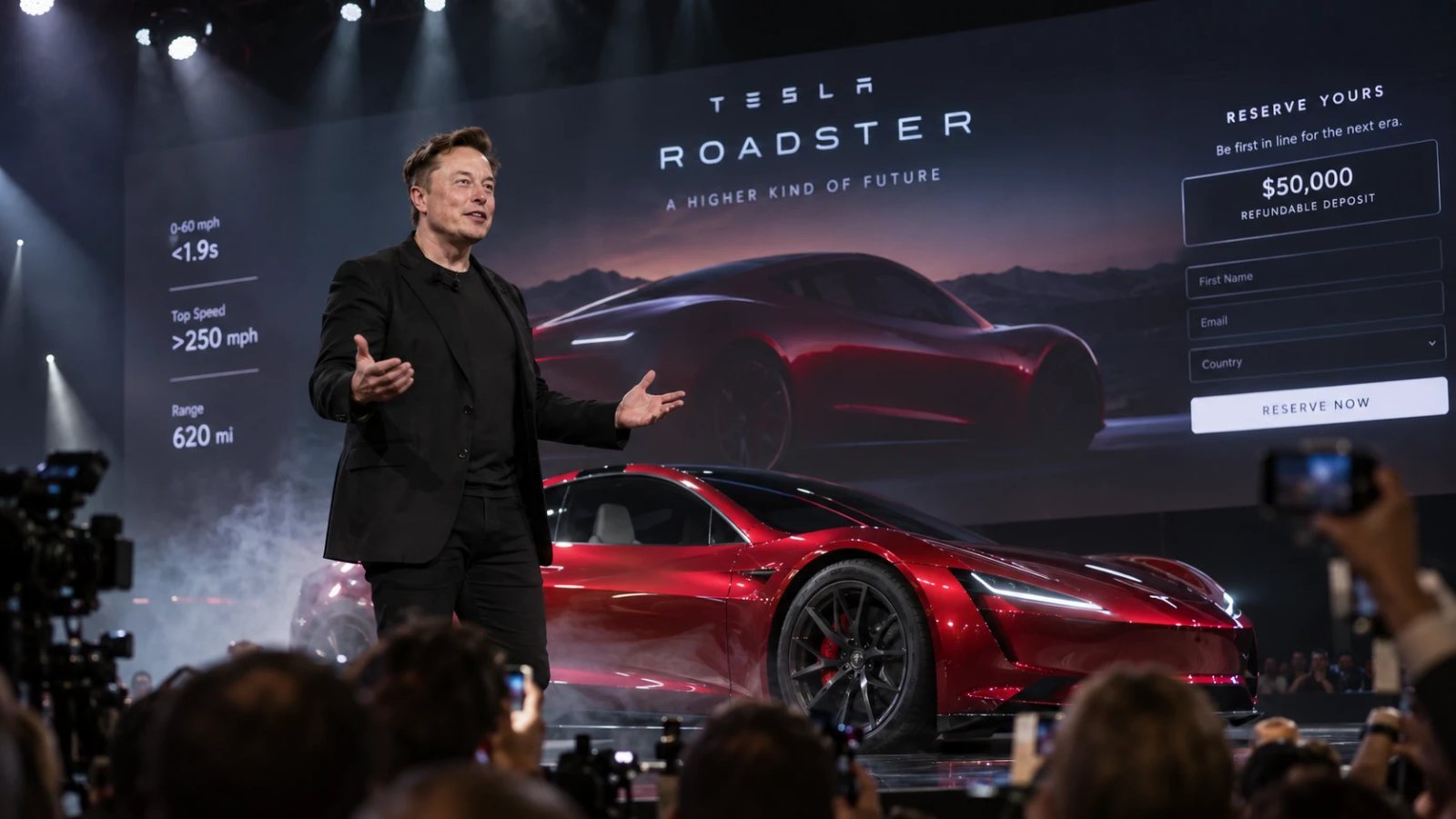
It’s a donation to the myth. If Tesla can’t give buyers a credible date, it should give them their money back and stop pretending the wait is a measurement of faith.
That’s why the Roadster keeps coming back.
It isn’t a vehicle program. This is a loyalty test. As long as the faithful keep waiting, the story stays alive, and the story is worth more than the car. A delivered Roadster would have to face reviews, recalls, and depreciation. The promised one never has to face anything. The question is not whether Musk can land a car after an upside-down ramp. He can. The question is whether Tesla can deliver a legal, useful, buildable car to actual customers. On that test, the Roadster has been airborne for seven years.
It’s time to ask when it lands.